

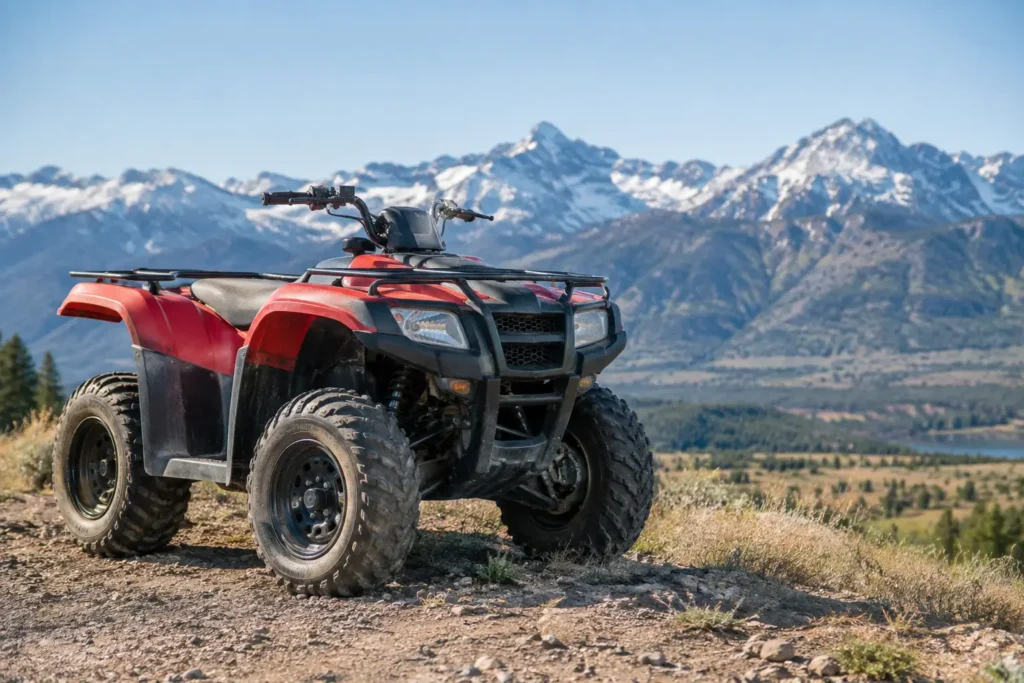
A weekend ride outside can turn expensive quickly when an ATV clips a parked truck, rolls on a trail, or injures a passenger. Understanding ATV insurance requirements Utah riders face starts with one practical question: where and how will you operate the machine?
Utah does not treat every ATV ride the same way. Insurance expectations change when an ATV stays on private property or designated off-highway routes versus when it is made street legal and operated on public roads. Registration, safety equipment, and insurance are related, but they are not interchangeable.
When Is ATV Insurance Required in Utah?
For a traditional ATV used off road, Utah generally does not require an owner to carry liability insurance simply to ride on approved off-highway vehicle trails or public lands. That does not mean the owner has no financial responsibility. If you cause an injury or damage someone else’s property, you can still be personally responsible for the loss.
The rule changes when an ATV is street legal and operated on public roads. A street-legal ATV must be properly registered, equipped for road use, and insured in accordance with Utah’s motor vehicle insurance requirements. The policy needs to meet the state’s applicable liability requirements. A current registration sticker or license plate does not replace insurance coverage.
That distinction catches many riders off guard. They may have purchased an ATV policy years ago for theft or trail damage, then later add mirrors, lights, and other equipment to use local roads. Before taking that first road ride, confirm that the policy is written for street-legal use and meets Utah requirements. Not every recreational vehicle policy automatically does.
Private property is different, but risk remains
An ATV used exclusively on your own property is usually outside the road-use insurance requirement. Even so, property boundaries are not a liability shield. A guest, neighbor, or family member can be seriously hurt on a short ride around acreage.
Some homeowners policies provide limited liability protection for certain off-road vehicles when they are used on the insured premises. Others exclude ATVs entirely, restrict coverage away from the property, or limit who is covered. Relying on a homeowners policy without reviewing the language can leave a substantial gap.
Street-Legal ATV Insurance Requirements in Utah
Street-legal ATVs have to satisfy more than an insurance check box. Utah has equipment, registration, and operating rules that apply to off-highway vehicles used on roads. Depending on the ATV and intended use, required equipment can include working headlights and taillights, brake lights, turn signals, mirrors, a horn, tires suitable for highway travel, and other road-use features.
Road access is also limited. Street-legal status does not give an ATV the same access as a passenger car. Certain roads, highways, and areas remain off limits, and local governments may impose more restrictive rules. A rider should verify both state law and the rules where they plan to ride before assuming a route is permitted.
From an insurance standpoint, the key is to tell the carrier exactly how the ATV is used. If it will travel between trailheads, be driven in a community that permits street-legal OHVs, or share roads with traffic, say so during the quote process. Accurate use information helps ensure the policy is rated correctly and avoids disputes after a claim.
Minimum coverage is not always enough
Required liability coverage is designed to pay for injuries or property damage you cause to others, up to the policy limit. It does not repair your ATV, replace stolen gear, or necessarily cover all costs after a serious collision.
Consider an ATV that strikes a late-model SUV or injures a rider without adequate health coverage. A state-minimum liability limit can be exhausted much faster than most people expect. For households with a home, savings, future wages, or a business to protect, higher limits are often worth discussing.
An independent agent can compare ATV policies across carriers and show the difference in price between minimum limits and more meaningful protection. That is a better conversation than choosing the cheapest policy and finding out later what it excludes.
Coverage Worth Considering Beyond Liability
Whether or not Utah law requires a policy for your specific use, ATV insurance can address losses that would otherwise come directly out of your pocket. The right mix depends on the ATV’s value, where it is stored, who rides it, and whether it goes on public roads.
Liability coverage is the foundation. It can respond if you injure another person or damage their vehicle, fence, equipment, or property. If the ATV is road legal, liability coverage is essential. Even for trail-only use, it is often the coverage with the greatest long-term value because a serious injury claim can exceed the value of the ATV many times over.
Physical damage coverage, often divided into collision and comprehensive coverage, protects the ATV itself. Collision can help after a rollover or impact with another vehicle or object. Comprehensive coverage may help with theft, fire, vandalism, weather damage, or certain non-collision losses. A deductible applies, so the decision comes down to the ATV’s value and how much loss you can comfortably absorb.
Medical payments coverage can help with eligible medical expenses for the rider or passengers, subject to policy terms and limits. Uninsured or underinsured motorist coverage may be particularly worth reviewing for a street-legal ATV that shares the road with cars and trucks. Coverage for accessories, trailers, transported equipment, and custom parts should also be addressed if those items represent meaningful value.
Common ATV Coverage Gaps
The most costly gaps tend to come from assumptions. A rider assumes a homeowners policy covers the ATV everywhere, an auto policy extends to the ATV, or a basic recreational policy allows road use. Those assumptions are not safe substitutes for reading the policy.
A standard auto policy generally does not insure an ATV just because it is parked in the garage beside your truck. Likewise, an ATV policy written only for off-road use may not provide the protection required for street-legal operation. A trailer used to haul the ATV may have separate coverage considerations as well.
Another overlooked issue is permissive use. Many owners let friends, teenagers, or visiting family members ride. Ask who is allowed to operate the ATV, whether youthful operators affect eligibility or pricing, and how passenger injuries are handled. If the ATV is used in connection with work, ranch operations, rentals, guiding, or other business activity, personal recreational coverage may not be enough.
How to Set Up the Right Policy
Start with the facts: the ATV’s year, make, model, vehicle identification number, estimated value, storage location, and any modifications. Then be clear about its use. Tell the agent whether it is trail-only, used on private land, transported across state lines, or converted for street use.
Next, decide what you need the policy to protect. Liability limits should reflect the assets and income you could be asked to protect after a serious accident. Physical damage coverage should reflect whether replacing or repairing the ATV would strain your budget. You may also want to coordinate ATV limits with your home, auto, and umbrella policies rather than treating every policy as a separate decision.
Price matters, but a low premium is only useful if the policy fits the way you ride. Platinum Insurance Group can compare options from multiple carriers, explain road-use eligibility in plain language, and remain involved if a claim interrupts your plans. Working with an independent agent does not add a separate cost to your premium, and it gives you one person to call instead of a call center.
Before the next ride, take a few minutes to confirm your ATV’s registration status, where it can legally be operated, and whether its insurance matches that use. That small review is far easier than sorting out a coverage problem from the side of the road or trail.