

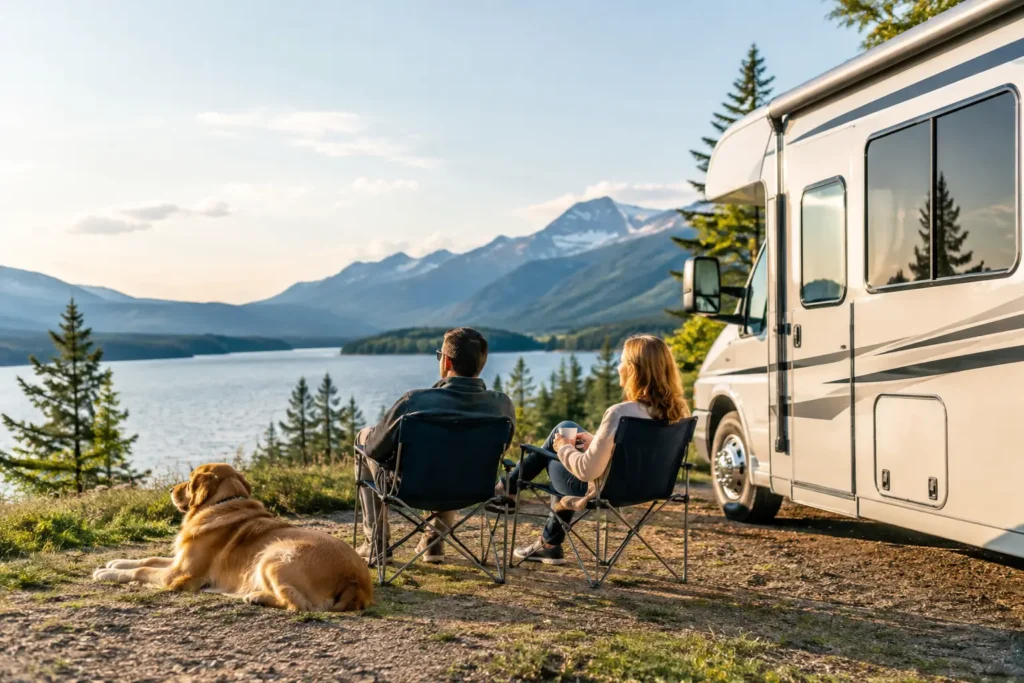
A weekend RV trip and a life lived in an RV do not carry the same insurance needs. When your motorhome, fifth wheel, or travel trailer is your primary residence, a basic recreational policy can leave costly gaps around personal property, liability, and the everyday realities of calling the road home.
Full time RV insurance is designed for people who use an RV as their main residence for much or all of the year. It generally combines vehicle-related protection with coverage that looks more like homeowners or renters insurance. The details vary by carrier and RV type, which is exactly why the declaration page matters more than a label on a quote.
Why a Standard RV Policy May Fall Short
A standard RV policy is often built around recreational use. It may protect the vehicle for collision, theft, fire, and certain weather losses, while providing liability coverage for accidents caused while driving. That is a solid starting point for a family taking a few trips each summer.
Full-time residents need more. Consider what happens if a kitchen fire damages your coach, a guest trips over your entry steps at a campground, or a water leak destroys clothing, electronics, tools, and other personal belongings. You also need a plan if a covered loss makes the RV unlivable for weeks or months.
The key difference is not simply how many nights you spend in the RV. Insurers may define full-time use differently. Some look at whether the RV is your primary residence, while others focus on the number of days it is occupied each year. Be direct about how you use your RV. Saying it is recreational when it is your home can lead to a coverage problem at the worst possible time.
What Full Time RV Insurance Should Include
The right policy depends on your RV, where you travel, whether you maintain a home base, and the value of what you carry. Still, several coverages deserve a close review.
Physical damage coverage for the RV
Collision and comprehensive coverage protect the RV itself. Collision responds when you strike another vehicle or object, or when the RV rolls over. Comprehensive generally addresses non-collision losses such as theft, vandalism, fire, hail, falling objects, and animal damage.
Choose a deductible you could realistically pay after a loss. A higher deductible may reduce your premium, but it should not create a financial setback when a windshield cracks or a storm damages the roof. Ask whether the policy settles a total loss based on actual cash value, agreed value, replacement cost, or a stated amount. Those terms can produce very different claim payments.
Personal liability away from the wheel
Auto liability applies when your RV causes bodily injury or property damage while being driven. Full-time RV liability is different. It is intended to address incidents tied to the RV as a residence, such as a visitor being injured at your campsite.
This is one of the most commonly missed distinctions. A serious injury claim can exceed low liability limits quickly, especially when medical bills and lost income are involved. Many full-timers should also consider a personal umbrella policy for added liability protection above qualifying auto, home, or RV policy limits.
Personal belongings and equipment
Your RV may contain far more than camping gear. Laptops, clothing, cookware, bicycles, hobby equipment, tools, cameras, medical equipment, and furniture all add up. Review the personal effects limit rather than assuming the RV’s insured value includes everything inside it.
Coverage may have special limits for items such as jewelry, firearms, collectibles, business equipment, or expensive electronics. If you work remotely from the RV, tell your agent. Personal property coverage may not fully protect equipment used for a business, and business activity can create additional liability considerations.
A quick home inventory makes this conversation easier. Take photos or video of each area of the RV, save receipts for major purchases, and keep the records in cloud storage. It is simple work that can save substantial time during a claim.
Loss of use and temporary living expenses
If a covered loss makes your RV uninhabitable, where will you stay? Loss-of-use coverage, sometimes called emergency expense or vacation expense coverage, can help pay for reasonable temporary lodging, meals, or transportation after a covered claim.
The wording and limits matter. A night or two in a hotel is one thing. A major fire, hail loss, or collision repair can keep an RV out of service much longer. Ask how long benefits may last, what expenses qualify, and whether the policy includes a separate limit for this coverage.
Medical payments and uninsured motorist coverage
Medical payments coverage can help with medical expenses for you and your passengers after a covered accident, regardless of fault, up to the policy limit. It is not a substitute for health insurance, but it can be useful for immediate expenses.
Uninsured and underinsured motorist coverage protects you when another driver causes an accident but has no insurance or not enough insurance. Given the size, weight, and repair cost of many RVs, this is coverage worth discussing rather than automatically selecting the minimum available.
Coverage Choices That Depend on How You Travel
There is no one policy setup that fits every full-timer. A couple parked long-term at an Arizona RV resort has different exposures than a family moving frequently between Utah, Idaho, and neighboring states. Weather, road conditions, storage arrangements, and how often the RV is driven can all affect both coverage needs and pricing.
If you tow a vehicle behind a motorhome, that vehicle needs its own policy. Do not assume it is fully covered because it is attached to the RV. The same applies to trailers, motorcycles, ATVs, golf carts, and other recreational equipment you bring along.
Roadside assistance can be valuable, but it deserves more than a quick checkmark on an application. Confirm whether the plan accommodates your RV’s length and weight, towing needs, tire service, and distance limits. A roadside benefit designed for a passenger car may not solve a problem involving a large diesel pusher or fifth wheel.
Some RV owners rent their unit to others or list it on peer-to-peer rental platforms. That changes the risk substantially. Personal RV insurance often excludes or limits coverage when the RV is rented out. You need to disclose that use before someone takes possession, not after a claim occurs.
Questions to Ask Before You Buy or Renew
A good RV insurance conversation should go beyond, “What is the cheapest premium?” Lower cost can be worthwhile, but only when the policy still reflects the life you actually live.
Ask whether the insurer recognizes full-time residence use and how it defines it. Confirm your physical damage settlement basis, personal effects limit, full-time liability limit, and loss-of-use coverage. Review deductibles for collision, comprehensive, and glass damage separately. Finally, ask about exclusions involving long-term parking, remote work, rentals, named storms, water damage, and travel into other states or Canada.
It is also smart to revisit your policy annually. RV values can change, upgrades can add value, and a new travel pattern can alter your exposure. Solar systems, upgraded batteries, custom interiors, satellite equipment, and accessibility modifications may need to be specifically reported or scheduled.
Full Time RV Insurance Is Worth Comparing Carefully
Insurance carriers do not all treat full-time RV use the same way. One policy may offer an appealing rate but a restrictive personal effects limit. Another may provide stronger full-timer liability and loss-of-use protection at a slightly higher premium. The best choice is the one that balances price with the coverage you would need after a real disruption.
An independent agent can compare available options without pushing a single carrier’s policy. At Platinum Insurance Group, clients can work with one named agent to review their RV use, compare coverage options, revisit the policy at renewal, and get support if a claim interrupts life on the road.
Before your next renewal, look at your RV as both a vehicle and a home. Make sure the policy recognizes both. A clear conversation now can prevent a difficult surprise when you need your coverage to respond.