

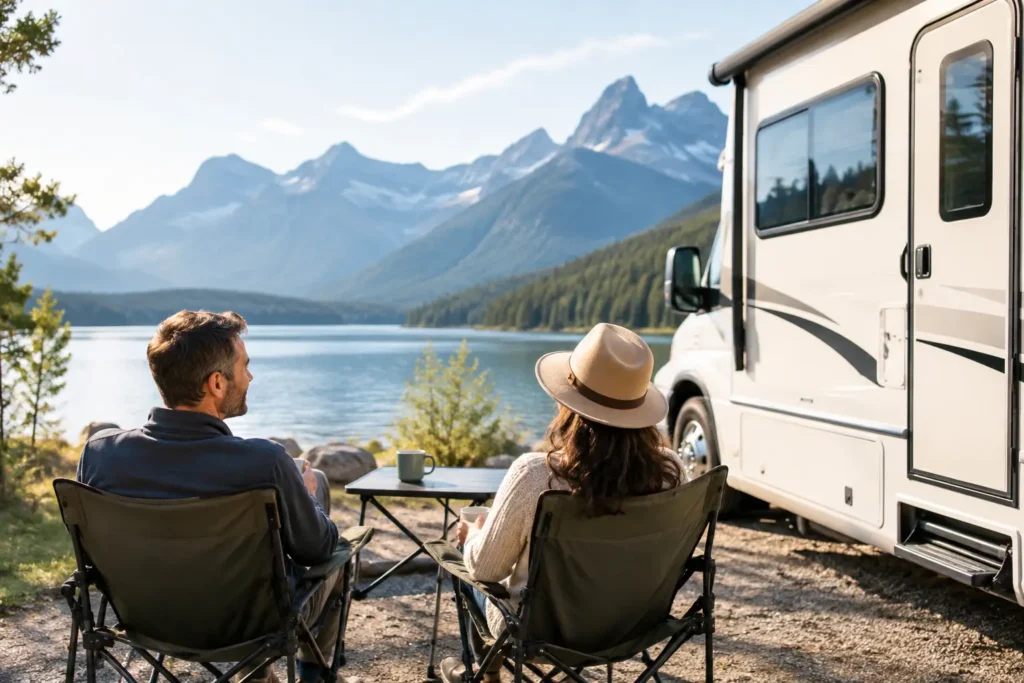
A motorhome parked at a campground, a travel trailer stored beside the house, and an ATV headed for a trail can all create very different insurance questions. This guide to recreational vehicle insurance explains what to look for before a loss puts an otherwise good trip on hold. The right policy is not simply the least expensive one. It should reflect how you use the vehicle, what it is worth, where it is kept, and how much financial risk you are comfortable retaining.
Start With the Type of Vehicle and How You Use It
Recreational vehicle insurance is not one identical product. A self-propelled motorhome has road-use exposures similar to an auto, while a travel trailer or fifth wheel has different liability and physical-damage considerations. ATVs, side-by-sides, motorcycles, boats, and snowmobiles each have their own policy structures and optional coverages.
Use matters just as much as the vehicle itself. A camper used for two weekends each summer may need a different approach than an RV used for extended travel, seasonal living, or frequent trips across Utah, Arizona, and Idaho. Storage location, towing arrangements, custom equipment, and whether guests spend time in the unit can also affect the coverage conversation.
Be direct about how the vehicle is actually used. Trying to fit a full-time or frequent-use RV into a basic recreational-use policy may leave gaps or create problems when a claim is reviewed. Coverage, eligibility, and policy terms depend on the carrier and the specific policy.
The Core Coverages to Compare
A good recreational vehicle policy usually combines several forms of protection. Some may be required by law for certain vehicles and situations, while others are optional but worth considering based on the value and use of your RV or equipment.
- Liability coverage may help with bodily injury or property damage you cause to others in a covered accident. It is often one of the most important limits to review because a serious accident can exceed a minimal limit quickly.
- Collision coverage may help repair or replace your RV after a covered collision, subject to the deductible and policy terms.
- Comprehensive coverage may help with covered losses other than collision, such as theft, fire, vandalism, hail, falling objects, or animal damage.
- Uninsured and underinsured motorist coverage may help in certain situations when another driver causes an accident but lacks adequate insurance. Availability and details vary by policy and state.
For a towable RV, ask how the policy responds while it is attached to your truck and while it is parked at a campsite. For a motorhome, review the policy much as you would an auto policy, but do not assume every auto coverage works in exactly the same way.
Liability Limits Deserve More Than a Quick Check
Many owners focus first on damage to their own RV. That is understandable, especially when a motorhome or trailer represents a significant purchase. Yet liability coverage may carry the larger financial stakes. An accident involving injuries, multiple vehicles, or damage at a campground can create costs well beyond a low policy limit.
The right limit depends on your broader financial picture, other insurance policies, and your comfort with risk. It can also be worth asking whether a personal umbrella policy may fit alongside your auto, home, and recreational vehicle coverage. An umbrella policy has its own requirements and does not replace reviewing the underlying RV liability limits.
Insuring the RV for the Right Value
How an insurer values a recreational vehicle after a covered total loss can make a major difference. Newer units may qualify for options that address replacement cost or a stated value arrangement. Older RVs are often handled based on actual cash value, which generally considers depreciation.
There is no single best valuation method. Replacement-cost-style options can be appealing for newer, higher-value units, but they may cost more and may have eligibility requirements. Actual cash value can be a reasonable fit for an older camper, but owners should understand that a payout may be lower than the price of a comparable new model.
Pay attention to upgrades and accessories. Solar panels, upgraded electronics, awnings, custom interiors, bike racks, generators, towing equipment, and expensive camping gear may not all be included automatically at the amount you expect. Keep receipts and photos when possible, especially after substantial improvements. Ask whether accessories, personal belongings, and permanently installed equipment are covered separately or subject to a lower limit.
Personal Belongings Are Not Always Fully Covered
An RV often carries items that would otherwise stay at home: clothing, cookware, tools, tablets, outdoor gear, and sports equipment. Some policies include limited personal-effects coverage, while others offer it as an option. Your homeowners or renters policy may provide some protection for belongings away from home, but limits, deductibles, and exclusions can apply.
This is one area where assumptions can be costly. A quick review of the RV policy and your other personal insurance policies can clarify where coverage starts and where it stops.
Think Through Where You Store It
Storage is not an afterthought. A trailer kept at home may face different exposures than one parked in a commercial storage facility. Wind, hail, wildfire, theft, rodents, freezing temperatures, and falling branches are all practical concerns in parts of Utah, Arizona, and Idaho.
Comprehensive coverage may be especially valuable when a vehicle spends long periods off the road. Some insurers offer storage or lay-up options for vehicles not being operated during a season. These options can reduce certain coverages while retaining protection for specified non-driving losses. The trade-off is clear: if you resume using the vehicle before restoring the appropriate coverage, you may have a gap.
Before storing an RV, document its condition, remove or secure valuable belongings, and follow the manufacturer’s winterization and maintenance recommendations. Insurance is designed for covered accidental losses, not ordinary wear, mechanical breakdown, or damage caused by neglected maintenance.
Choose a Deductible You Can Actually Handle
Your deductible is the amount you generally pay before covered physical-damage coverage responds. Raising it may reduce the premium, but it also means taking on more out-of-pocket cost after a covered loss.
A high deductible can make sense for an owner with savings set aside and a lower-value vehicle. It may be less comfortable for someone who would struggle to fund a major repair after hail, theft, or a collision. Consider deductibles alongside the actual value of the RV. A deductible that is reasonable for a $200,000 motorhome may not make sense for an older utility trailer.
Also ask whether glass damage, towing and roadside assistance, vacation liability, emergency expense coverage, or rental reimbursement are available. These are not automatic necessities for every owner. They are practical options to weigh against how far you travel, whether you rely on the RV for lodging, and the cost of being stranded away from home.
Avoid the Most Common Coverage Assumptions
The first assumption is that an auto policy fully protects a towable RV. Your auto policy may provide liability while towing in certain circumstances, but that does not necessarily mean it covers physical damage to the trailer or every liability exposure at a campsite.
The second is that homeowners insurance handles everything stored inside the RV. It may offer limited protection for certain belongings, but that is not the same as broad RV coverage. The third is that a roadside assistance membership and an insurance roadside endorsement are interchangeable. They can overlap, but service limits and covered situations may differ.
Finally, do not assume a policy written when you bought the RV still reflects your situation years later. Usage changes. Equipment is added. Values change. A young family may start camping more often, or a retired couple may take longer trips than they once planned.
Make Policy Reviews Part of Ownership
Review your recreational vehicle insurance before peak travel season, after buying accessories, and whenever the way you use the unit changes. Have the VIN, purchase information, estimated annual mileage, storage details, and a list of upgrades ready. Clear information makes it easier to compare coverage options accurately.
An independent agency can compare options across multiple carriers rather than limiting the conversation to one company’s policy. At Platinum Insurance Group, we offer an annual review and re-quote at renewal when clients want to revisit coverage and pricing. We can also help you through the claims process and follow up with the carrier if a covered loss disrupts your plans.
The best time to ask questions is before the first campground reservation, desert ride, or mountain weekend of the season. A few clear answers about value, liability, storage, and deductibles can help you travel with a better understanding of what your policy is designed to do.