

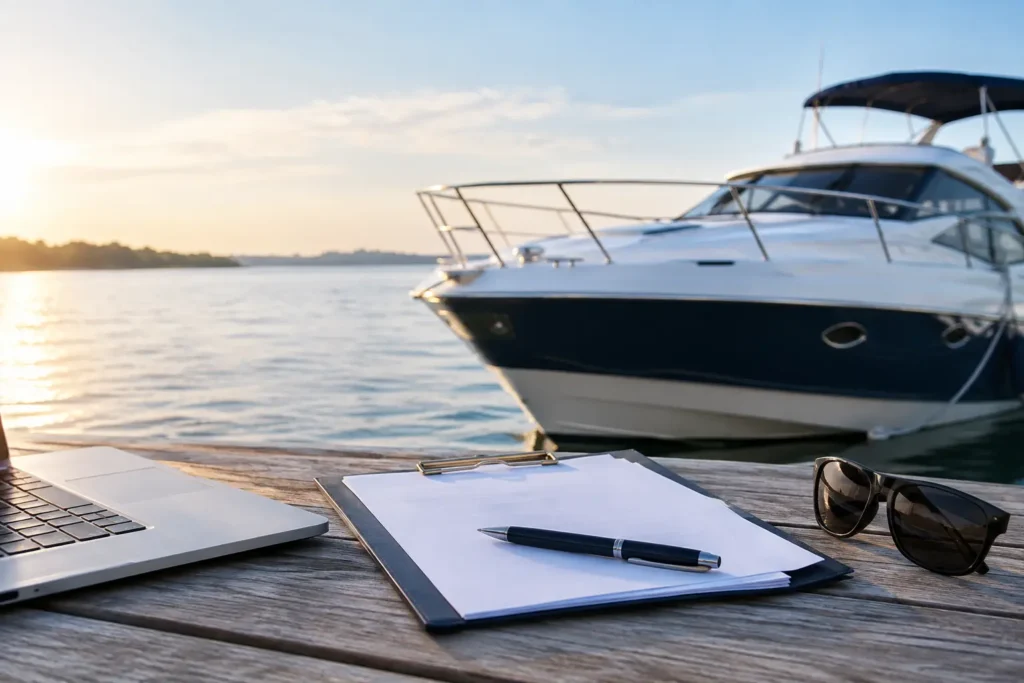
A day on the water can change fast. A submerged rock damages the lower unit, a passenger is injured while boarding, or your boat breaks loose during a windstorm. Boat insurance coverage explained plainly starts with this: the policy should protect more than the boat itself. It should also address your financial responsibility to other people, property, and passengers.
Many boat owners assume their homeowners policy is enough. Sometimes it offers limited protection for a small boat, but the limits, eligible boat types, locations, and covered causes of loss can be narrow. A separate boat policy is often the clearer choice for owners who want meaningful protection and someone to call when a claim interrupts their plans.
Boat Insurance Coverage Explained: The Core Protections
A boat insurance policy is built from several coverage parts. The right combination depends on the boat’s value, horsepower, how and where you use it, whether you tow it, and the assets you need to protect.
Liability coverage
Boat liability coverage pays when you are legally responsible for injury to another person or damage to someone else’s property. For example, if you collide with another boat, damage a dock, or injure a skier or passenger, liability coverage may help pay covered damages and legal defense costs up to your policy limits.
This is the coverage to consider carefully if you own a home, have savings, operate a higher-powered boat, or regularly bring friends and family along. State requirements and marina requirements may set minimum limits, but a minimum is not always an appropriate limit. A serious injury or major property loss can exceed a low limit quickly.
Liability may also extend to certain water sports, but the details matter. Tubing, wakeboarding, waterskiing, and similar activities can have specific rules about approved operators, observers, equipment, and the boat’s intended use. Do not assume every activity is automatically covered.
Physical damage coverage
Physical damage coverage helps repair or replace your own boat after a covered loss, such as collision, theft, fire, vandalism, or weather damage. It can apply to the hull, motor, and permanently attached equipment, subject to the policy’s terms and deductible.
A key decision is how the insurer values the boat. Agreed value coverage establishes a value when the policy begins. If the boat is a total loss, the policy generally pays that agreed amount, less any applicable deductible, assuming the policy terms are met. Actual cash value coverage factors in depreciation, which can reduce a total-loss payment as the boat ages.
Neither approach is automatically better. Agreed value can provide more predictable protection for a well-maintained or higher-value vessel, while actual cash value may be less expensive. The appropriate choice depends on what you could realistically afford to replace after a loss.
Medical payments coverage
Medical payments coverage can help with eligible medical expenses for people injured in a covered boating accident, regardless of who was at fault. It is generally designed for smaller, immediate expenses and does not replace health insurance or sufficient liability limits.
Still, it can be valuable when a guest suffers an injury and needs prompt treatment. A clear medical payments limit can also help reduce confusion at an already stressful time.
Uninsured and underinsured boater coverage
Not every boat operator carries adequate insurance. If another boater causes an accident and has no insurance or too little coverage, uninsured and underinsured boater coverage may help protect you and your passengers, depending on the policy and circumstances.
This protection deserves attention because collecting from an uninsured operator can be difficult, even when they were clearly at fault. It is one of the coverage areas people often overlook while focusing only on damage to their own boat.
What Else Can a Boat Policy Cover?
The details separate a policy that merely checks a box from one that fits how you actually boat. Optional or included features vary by carrier, so this is where a policy review matters.
Your policy may provide coverage for a boat trailer, fishing gear, anchors, life jackets, electronics, and other personal effects. But limits for detachable equipment can be lower than owners expect. A serious fishing setup, upgraded sonar system, or custom equipment may need to be scheduled separately or insured with a higher equipment limit.
Emergency service and towing coverage can help when you are stranded on the water. It may cover reasonable towing, fuel delivery, or labor costs up to a selected limit. It is useful coverage, but boaters should understand the limit and whether it applies to their normal operating area.
Some policies also address wreck removal, fuel spills, or pollution liability. These expenses can become significant if a damaged boat sinks, leaks fuel, or must be removed from a marina or waterway. If you keep a boat at a marina or use larger bodies of water, ask specifically how these situations are handled.
The Limits That Matter Before a Loss
Coverage is only useful within the policy’s stated rules. Before purchasing or renewing, review the practical limits that can affect a claim.
First, check the navigation territory. A policy written for inland lakes and rivers may not automatically cover use on coastal waters or outside a stated geographic area. Owners who travel with their boat from Utah, Arizona, or Idaho to another state should verify coverage before leaving home.
Second, understand lay-up periods. Some carriers offer a premium credit when the boat is not used during a defined season. That can make sense for seasonal owners, but using the boat during the lay-up period could affect coverage. In warmer areas or for year-round boaters, a lay-up provision may not fit at all.
Third, pay attention to who is operating the boat. A policy may have age restrictions, experience requirements, horsepower limitations, or conditions for permissive operators. Letting an inexperienced friend take the helm can create more than a safety concern if the policy has operator restrictions.
Finally, look at the deductible. A higher deductible can lower the premium, but it also means paying more out of pocket after a covered loss. Choose an amount that is manageable after a prop strike, trailer accident, theft, or storm claim, not just an amount that looks good on a quote.
Common Gaps Boat Owners Miss
A policy cannot cover every situation. Wear and tear, gradual deterioration, mechanical breakdown, freezing damage, and poor maintenance are commonly excluded or limited. If an engine fails because of age or lack of maintenance, physical damage coverage may not respond the way it would after a collision.
Storage also deserves attention. Theft and weather claims can happen at home, at a marina, or in a storage facility. Tell your agent where the boat is normally kept and whether it is stored in a garage, under a cover, outdoors, or in the water. The storage setup may affect both pricing and coverage requirements.
Do not overlook the trailer. A boat trailer may be covered under the boat policy, but not always to the limit you need. Damage caused while towing can also involve your auto policy, depending on what was damaged and how the loss occurred. Reviewing both policies together prevents assumptions at claim time.
Choosing Coverage That Fits Your Boat
The best boat policy is not necessarily the cheapest quote or the one with the longest list of features. It is the policy that reflects your boat, your use, and your financial exposure. A small runabout used a few weekends each summer needs a different conversation than a wake boat carrying groups every weekend or a fishing boat with expensive electronics.
Start with the boat’s current value, replacement cost for equipment, and the people who will operate it. Then consider where you use it, whether you keep it at a marina, how far you tow it, and whether you participate in water sports. Those answers help determine appropriate liability limits, physical damage valuation, equipment coverage, and deductible.
An independent agent can compare options from multiple carriers rather than steering you toward a single company’s policy. At Platinum Insurance Group, that means reviewing the coverage details and price together, then staying available when you need help with a policy change or claim. One person, not a call center.
Before your next launch, pull out your declarations page and ask one practical question: if the boat, a passenger, or someone else’s property is seriously damaged this weekend, would your current policy respond the way you expect? If the answer is unclear, it is worth reviewing now, while you have time to make an informed choice.