

A deer steps into the road at dusk. A hailstorm dents the hood while your vehicle is parked. Another driver backs into your bumper at the grocery store. These situations may all damage the same vehicle, but collision versus comprehensive coverage can determine which part of your auto policy may respond.
The names sound similar, and both are often optional on an auto policy. Yet they protect against different kinds of damage. Knowing the distinction helps you make a more confident decision about the coverage on a newer vehicle, an older paid-off car, or a household with several drivers.
Collision versus comprehensive coverage: the core difference
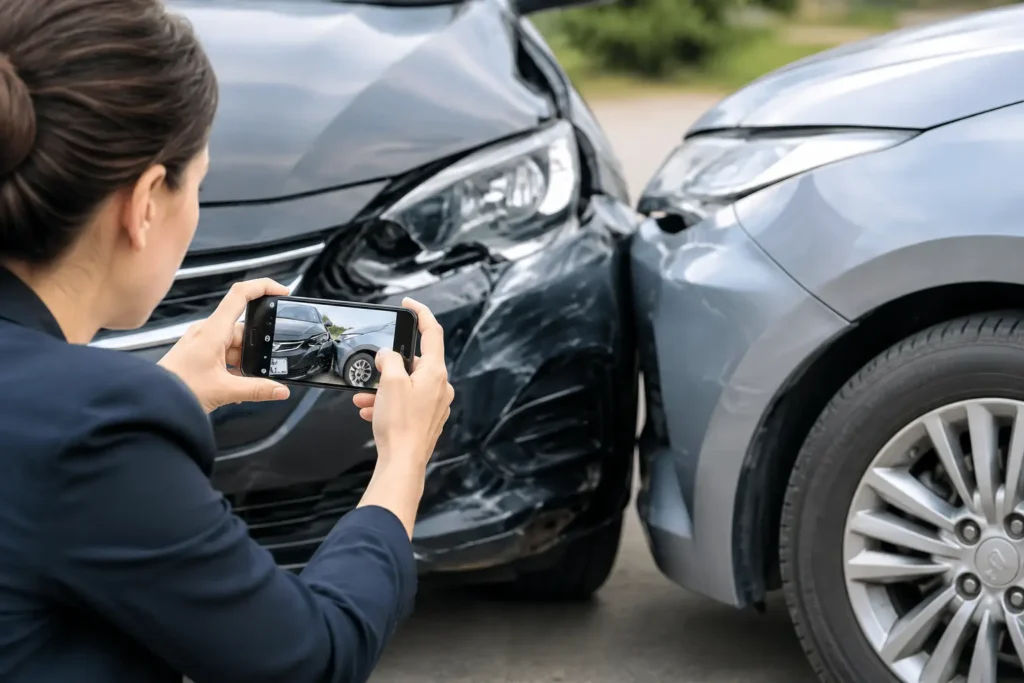
Collision coverage generally helps pay to repair or replace your covered vehicle after it hits another vehicle or object, or after it rolls over. It can apply whether you strike a parked car, slide into a guardrail, or are involved in an accident with another driver. Your deductible usually applies before the carrier pays a covered loss.
Comprehensive coverage, often called other-than-collision coverage, generally helps with damage caused by events other than a crash. Think theft, fire, vandalism, falling objects, hail, flooding, animal strikes, and broken glass. As with collision, coverage is subject to the policy terms, limits, and deductible you choose.
The simplest way to remember the difference is this: collision is for impact-related damage involving driving or a rollover. Comprehensive is for many non-crash events that happen to your vehicle.
That distinction matters because the cause of damage can be less obvious than it first appears. If a tree branch falls on a parked car, that is typically a comprehensive claim. If you swerve to miss the branch and hit a fence, the damage from hitting the fence is typically collision. The facts of the loss and the specific policy determine how a claim is handled.
What collision coverage commonly helps with
Collision coverage is tied to damage to your own vehicle. It does not replace liability coverage, which is designed to address injuries or property damage you may cause to others in a covered accident.
A collision claim may arise after you rear-end another vehicle, hit a mailbox, collide with a pothole or curb, or roll your SUV on a snowy road. It can also be relevant in a hit-and-run situation when the other driver cannot be identified, depending on the policy and state-specific options.
Many drivers assume the other person’s insurance will always take care of vehicle damage when another driver is at fault. That may eventually be the outcome, but the process can take time while fault and coverage are investigated. Some people choose to use their own collision coverage, if available, to begin repairs sooner, subject to their deductible. The carrier may then seek recovery from the responsible party or carrier where appropriate. Recovery is not automatic, and claim outcomes depend on the circumstances.
Collision is particularly worth considering when a vehicle would be difficult to replace or repair out of pocket. A late-model truck, family SUV, or financed vehicle can carry a repair bill that is far larger than the annual cost of coverage. On the other hand, collision may make less financial sense on an older vehicle with a low market value and a high deductible.
What comprehensive coverage commonly helps with
Comprehensive coverage addresses risks that do not wait for you to get behind the wheel. In Utah, Arizona, and Idaho, those risks can look very different depending on where and how you drive.
Hail can be a meaningful concern in many areas. Wind can send debris into a parked vehicle. Wildfire smoke does not necessarily damage a car, but fire itself can. In rural and mountain areas, animal strikes are a real possibility, especially with deer and other wildlife. In a neighborhood or parking lot, vandalism and theft can be the concern instead.
Comprehensive coverage may help with these types of losses:
- Theft of the covered vehicle or certain damage caused during an attempted theft
- Fire, hail, windstorm, flood, and falling objects
- Vandalism and many forms of glass damage
- Damage from hitting an animal
Glass is an area where drivers should read the details. A cracked windshield may fall under comprehensive coverage, but deductible options and repair or replacement provisions vary by carrier and policy. A small chip repair and a full windshield replacement may not be handled the same way.
Comprehensive coverage does not cover routine maintenance, mechanical breakdown, wear and tear, or damage from a collision. If an engine fails because of a mechanical problem, that is generally not a comprehensive loss. If you hit a deer and the impact damages the front end, comprehensive is commonly the coverage considered.
Why lenders and leasing companies often require both
If you finance or lease a vehicle, the lender or leasing company commonly requires collision and comprehensive coverage. They have a financial interest in the vehicle until the loan or lease obligation is satisfied, and they want it protected against major physical damage losses.
That requirement does not mean the coverage is only valuable because a lender asks for it. It means there are two financial stakes involved: yours and theirs. Before removing physical damage coverage from a paid-off vehicle, consider what you would do if it were totaled tomorrow. Could you replace it without creating a financial setback? Would you need another vehicle immediately for work, school, or family responsibilities?
Choosing a deductible without creating a surprise
Your deductible is the amount you generally pay toward a covered physical damage claim before insurance contributes. Collision and comprehensive deductibles can be the same, but they do not have to be.
A higher deductible often reduces the premium, while a lower deductible usually costs more. The better choice is not always the lowest deductible or the lowest premium. It is the amount you could realistically pay after an accident, storm, or theft without delaying necessary repairs.
For example, a driver may be comfortable with a $1,000 collision deductible because they keep savings available for an unexpected accident. That same driver might choose a lower comprehensive deductible because of frequent windshield damage or concern about hail. There is no universal right answer. The vehicle’s value, where it is kept, your driving habits, and your available savings all matter.
When it may be reasonable to drop coverage
Dropping collision, comprehensive, or both is often discussed when a vehicle is older and fully paid off. The decision should be based on more than the vehicle’s age.
Start with its current value, the cost of coverage, and the deductible. If a vehicle is worth only a few thousand dollars and carries a high deductible, a major claim payment could be limited. You may decide you would rather retain that risk and set aside money for a replacement vehicle.
But low value is not the only factor. An older vehicle that is dependable, difficult to replace, or essential for commuting may still be worth protecting. Likewise, comprehensive coverage can be relatively valuable for a paid-off vehicle that is parked outside, exposed to hail, or driven in areas with frequent wildlife crossings.
One common middle-ground choice is keeping comprehensive while removing collision. That can preserve protection for theft, weather, and animal strikes while reducing the overall cost. Whether that approach fits depends on your circumstances and the policy options available.
Review the vehicle, not just the policy
Coverage decisions should change as your life changes. A vehicle that justified low deductibles when it was new may call for a different approach several years later. A teen driver joining the household, a new commute, a move from a garage to street parking, or a newly paid-off loan can all be good reasons to revisit the policy.
An independent agency can help compare physical damage options across available carriers and explain how deductibles affect the quote. Platinum Insurance Group offers policy reviews and re-quotes at renewal for clients who want to use that service. If a claim happens, we can also help you through the process and follow up with the carrier. The carrier makes claim decisions, and coverage depends on the specific policy and facts of the loss.
The right choice is rarely about buying every available option or stripping a policy to the minimum. It is about knowing which risks you are keeping, which ones you are transferring, and whether that decision still fits the vehicle you rely on every day.