

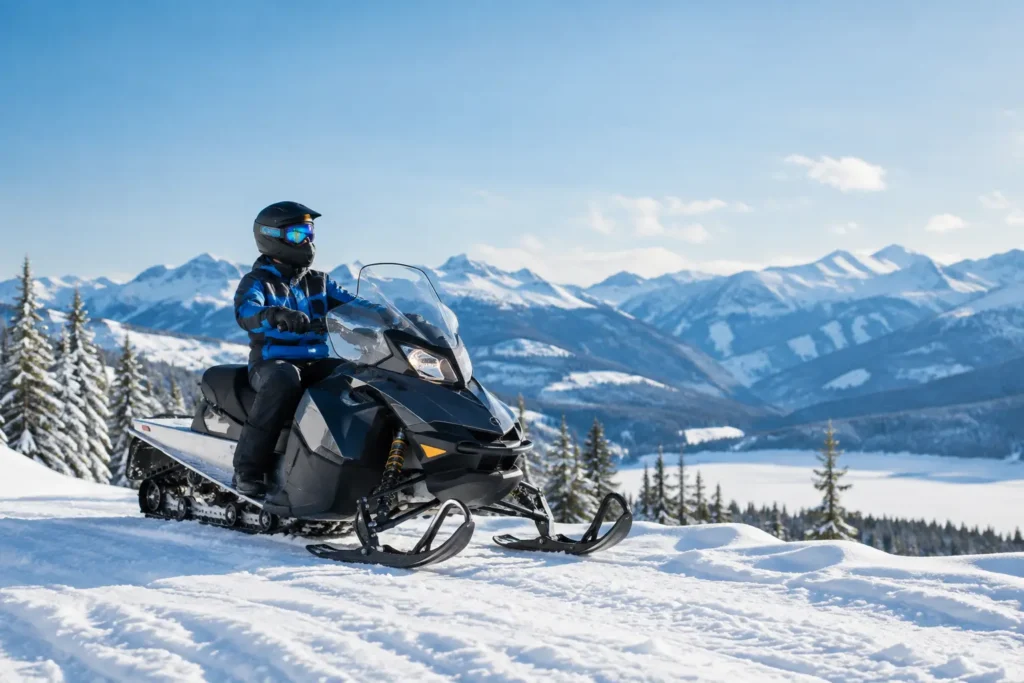
A hard-packed trail, a hidden stump, or a rider who misjudges a corner can turn a good Idaho snow day into an expensive one quickly. Snowmobile insurance Idaho riders choose should do more than satisfy a basic requirement. It should protect the machine, the people riding it, and the assets you have worked to build if an accident causes injuries or property damage.
Snowmobiles are often stored for months, then ridden hard when conditions are right. That creates a different insurance conversation than one for a daily-use vehicle. The best policy depends on where you ride, who rides your sled, how much it is worth, whether it is financed, and how much financial risk you are comfortable carrying yourself.
What Snowmobile Insurance in Idaho Can Cover
A snowmobile policy is built from several coverage options. Not every rider needs every option, but understanding the pieces makes it easier to compare quotes without choosing solely on price.
Liability coverage is the foundation. If you cause an accident that injures another person or damages someone else’s property, liability coverage may help pay covered claims up to your policy limits. That could include a collision with another rider, damage to a parked vehicle at a trailhead, or an accident involving a fence, cabin, or other property. A low premium can be appealing, but low liability limits can leave a major gap when a serious claim exceeds the policy limit.
Collision coverage helps repair or replace your snowmobile after a covered collision, subject to your deductible. This matters most for newer, higher-value, or financed machines. If you slide into a tree, strike a concealed object, or collide with another sled, collision coverage can prevent one mistake from becoming a large out-of-pocket expense.
Comprehensive coverage, sometimes called other-than-collision coverage, addresses many non-crash losses. Theft, fire, vandalism, falling objects, and certain weather-related damage may be covered. It can be especially valuable for a snowmobile kept in a detached garage, trailer, or seasonal property. Coverage details differ by carrier, so a named agent should confirm what a policy actually includes rather than assuming every comprehensive policy works the same way.
Uninsured and underinsured motorist coverage can also deserve a close look. If another rider causes an accident but has no insurance or not enough insurance, this coverage may help with covered injuries. Medical payments coverage may help with certain medical expenses for you or your passengers, regardless of who caused the accident. These coverages can be meaningful when riding in groups or on busy trail systems.
Idaho Riding Creates More Than One Type of Risk
Idaho offers wide-open terrain, mountain routes, groomed trails, and backcountry access. Those settings are part of the appeal, but they also change the risk profile. A machine used for slow family rides near a cabin is exposed differently than a high-performance sled taken into remote mountain terrain.
Remote riding can mean a longer recovery, more expensive towing, and greater potential for injury if a crash occurs far from a main road. If you trailer your snowmobile, remember that the sled and trailer are separate insurance questions. Your auto policy may provide some liability while towing, but physical damage to the trailer or its contents may require separate coverage. Do not assume your snowmobile policy automatically protects the trailer, gear, or modifications.
Idaho registration, access, and insurance rules can vary based on where and how a snowmobile is operated. Public trail use, private property, road crossings, and use on certain public lands can involve different requirements. Insurance is not a substitute for checking current registration and riding rules, but it is a critical financial backstop when something goes wrong.
How Much Liability Coverage Is Enough?
There is no single number that fits every household. The right limit depends on your savings, income, homeownership, other vehicles, and the severity of risk you want to protect against. A rider with significant assets may need more protection than a policy with minimum limits can provide.
Think of liability coverage as protection for your broader financial life, not just your snowmobile. If a serious accident leads to substantial medical bills, lost wages, or property damage, the claim does not stop being serious because it happened on a recreational vehicle.
An umbrella policy may be worth discussing for households with a home, multiple vehicles, investments, or higher income. It can add an extra layer of liability protection above qualifying underlying policies. Whether it applies to your snowmobile depends on the policy structure and carrier requirements, so this is a place where details matter.
Do You Need Coverage for Accessories and Modifications?
Possibly. Factory equipment is not the same as aftermarket equipment. Upgraded tracks, performance parts, custom lighting, communication equipment, cargo systems, and other additions can increase the value of your snowmobile beyond its standard configuration.
Some policies include a limited amount of coverage for custom parts and equipment. Others require you to select a higher limit or add an endorsement. Keep receipts, take current photos, and tell your agent about significant upgrades before a loss happens. The same advice applies to riding gear if you want to know whether helmets, suits, GPS units, or other equipment are included in a claim.
What Affects the Cost of Snowmobile Insurance Idaho Riders Buy?
Premium is based on more than the make and model. Insurers commonly consider the snowmobile’s value, engine size, age, storage location, claims history, driving history, selected deductibles, coverage limits, and the riders listed on the policy. Financing usually means the lender will require physical damage coverage until the loan is paid off.
Choosing a higher deductible can lower the premium, but it also means paying more after a covered loss. That trade-off can work well for a rider who has emergency savings and wants lower ongoing costs. It can be a poor fit for someone who would struggle to pay a large deductible after theft or a crash.
Bundling may also affect pricing. A carrier that is competitive for snowmobiles is not always the best option for your auto or home insurance, and the reverse is also true. That is why comparing the complete household picture often produces a better decision than accepting the first recreational vehicle quote.
Avoid These Common Coverage Gaps
The most frustrating claim problems often start before the policy is purchased. Riders may assume a homeowners policy protects a snowmobile wherever it is used. Home insurance may offer limited protection in some circumstances, but it generally is not a replacement for a dedicated snowmobile policy, particularly for liability arising from operation.
Another common issue is leaving a newly purchased sled off the policy too long. Some carriers offer a short window of automatic coverage for a new acquisition, but the limits and conditions vary. Call before you pick up the machine when possible, especially if it is financed or will be ridden immediately.
Finally, make sure every regular rider is disclosed accurately. Letting an inexperienced family member ride can change the household’s exposure. Honest information at quoting time helps prevent surprises later, when you need the policy to respond.
Compare More Than the Monthly Premium
A policy should be easy to understand before it is needed. When comparing snowmobile quotes, review liability limits, deductibles, comprehensive and collision protection, accessory limits, medical coverage, towing options, and exclusions. Ask how the carrier handles repairs, whether you can choose a repair shop, and what documentation may be needed after theft or damage.
An independent agent can compare available carrier options without steering you toward one company’s product line. At Platinum Insurance Group, clients work with one person rather than a call center, receive no-cost quote comparisons, and can get help reviewing coverage again at renewal. If a claim disrupts your season, having an agent who stays involved can matter as much as the policy language itself.
Before the first meaningful snowfall, take five minutes to photograph your sled, record its VIN, save receipts for major upgrades, and review the policy limits you carry. That small bit of preparation makes it easier to ride knowing your coverage has a purpose when the unexpected happens.