

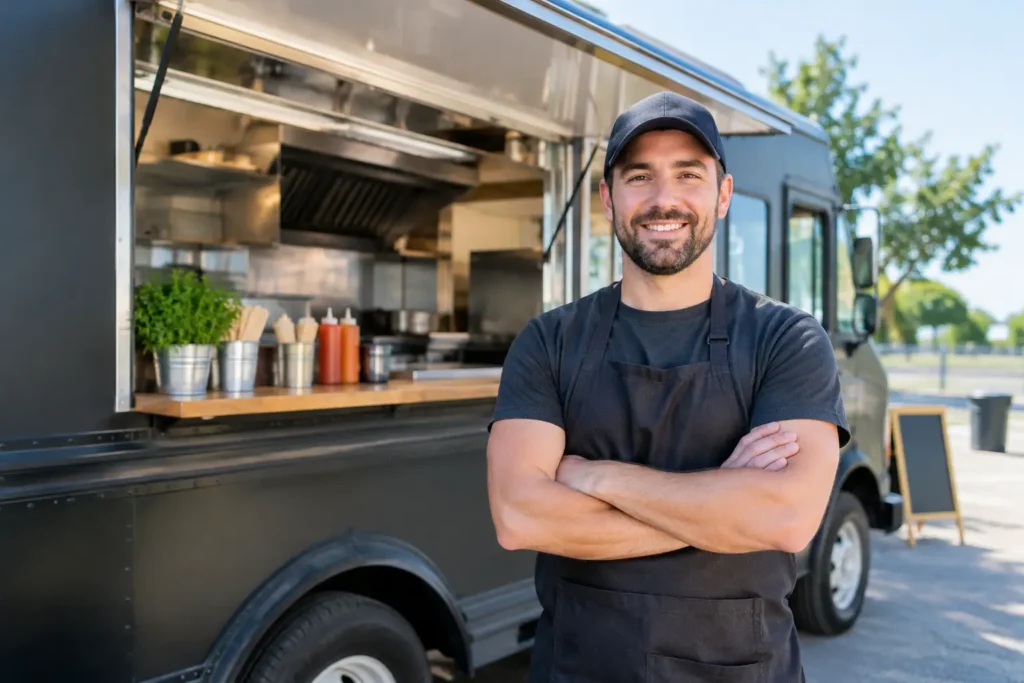
A lunch rush can turn into a costly interruption fast. A customer may slip near the service window, a fryer fire can damage the truck, or an accident on the way to an event can take your kitchen off the road. The best insurance for food trucks is not one policy with the lowest price. It is a coordinated set of coverages built around how, where, and how often your mobile business operates.
Food truck owners carry a mix of risks that a typical storefront restaurant or personal vehicle policy may not fully address. You have a commercial vehicle, cooking equipment, customer traffic, inventory, and potentially employees – all in a small space that moves from place to place. The right approach starts with identifying those exposures, then comparing coverage terms and pricing from carriers that write this kind of business.
What the Best Insurance for Food Trucks Should Cover
Most food trucks need several coverages working together. Which ones apply, and at what limits, depends on the truck, menu, staff, event contracts, and local requirements. Coverage also depends on the specific policy and carrier, so it is worth reviewing the details rather than assuming a familiar policy name covers every situation.
Commercial auto insurance
A food truck is a business vehicle first. Commercial auto coverage can help with liability claims if your truck causes an accident, and it may include coverage for physical damage to the truck through collision and comprehensive options. Comprehensive coverage commonly addresses certain non-collision losses, such as theft, vandalism, hail, or fire, subject to the policy terms and deductible.
The vehicle’s value deserves a close look. A standard valuation method may not reflect the money invested in a custom build, kitchen installation, generator, wrap, or permanently attached equipment. Ask how the truck and installed equipment are valued after a covered loss. Replacement cost, agreed value, actual cash value, and stated amount are not interchangeable terms.
Also discuss who drives. A business that has several employees or family members behind the wheel needs the policy set up accurately. A driver who is not disclosed, an out-of-date license record, or use outside the stated business operations can create unwelcome complications when a claim is reported.
General liability insurance
General liability addresses the claims that can arise when customers, vendors, or members of the public are hurt or their property is damaged in connection with your operations. For a food truck, this may include a customer slipping near your truck, a hot beverage spill, or damage caused while setting up at an event.
Event organizers, landlords, breweries, and corporate clients often ask vendors for a certificate of insurance and may require them to add the organization as an additional insured. That request should be reviewed before the event, not the morning your truck is scheduled to serve. The required limits and wording can vary by venue.
General liability is foundational, but it is not a substitute for commercial auto coverage. If your truck hits another vehicle, the commercial auto policy is generally where that claim belongs.
Product liability and food-related claims
Food-related injuries are one of the reasons general liability matters for a mobile food operation. Depending on the policy, product liability may be included within general liability coverage for claims alleging bodily injury or property damage from food you sold.
Do not assume that every food-related expense is included. A food recall, lost income after a shutdown, or spoiled inventory can involve different coverage provisions or endorsements. If you prepare higher-risk items, use a commissary kitchen, cater private events, or package food for later consumption, explain that to the agent reviewing your operation.
Equipment, inventory, and business property
Your point-of-sale system, refrigeration, grill, fryer, generator, small appliances, utensils, ingredients, and serving supplies all have value. Business personal property coverage may help protect qualifying property from certain covered causes of loss. It can be especially relevant when equipment is stolen, damaged by fire, or harmed during a covered incident.
The key question is where the property is covered. Some equipment stays permanently on the truck; some is taken to a commissary, stored at home, or used at off-site catering events. Limits for property away from the premises can differ from limits for property at the primary location.
Food spoilage is another item to examine closely. A refrigeration failure or power interruption can leave you with inventory that cannot be sold. Spoilage coverage, equipment breakdown coverage, and business income coverage may be available in some situations, but each has its own triggers, limits, exclusions, and waiting periods.
Workers’ compensation
If you have employees, workers’ compensation should be part of the conversation. It can provide benefits for qualifying job-related injuries or illnesses and may be required depending on the state and your business setup. The risk is real in a food truck: burns, cuts, lifting injuries, and slips can happen in a confined work area.
Accurate payroll, job classifications, and employee duties matter. A cook, cashier, delivery driver, and manager may not all be classified the same way. Keeping your information current helps the policy better reflect the business you are operating.
Why a BOP May Help – and Where It May Fall Short
A business owners policy, often called a BOP, can package general liability and business property coverage for some small businesses. It may be a practical starting point for a food truck owner, particularly when you have property, equipment, and liability exposure that fit the carrier’s program.
Still, a BOP does not replace commercial auto coverage for the truck itself. It may also have limitations related to mobile operations, cooking equipment, property at events, or revenue lost after a loss. The answer is not always to buy every available add-on. It is to understand the gaps that would matter most to your operation and decide which risks you are willing and able to retain.
For example, an owner who works weekend festivals with a modest inventory may prioritize different property and income limits than a full-time operator serving multiple private events each week. A truck with an expensive custom kitchen may need a more careful equipment valuation than one with basic removable appliances.
How to Compare Food Truck Insurance Quotes
A lower premium can be a good result, but it is only meaningful when the quotes protect the same operation in roughly the same way. Before comparing numbers, give each carrier or agency a consistent picture of your business: your truck’s make and value, cooking equipment, menu, annual sales, operating territory, employee count, drivers, prior claims, and the types of events you attend.
Then compare more than the total price. Review these four areas side by side:
- Liability limits, including any requirements in event or vendor contracts
- Commercial auto deductibles and how the truck and attached equipment are valued
- Property limits for equipment, stock, and items used away from the truck
- Endorsements and exclusions involving food sales, spoilage, equipment breakdown, hired vehicles, or special events
Pay attention to deductibles as well. Choosing a higher deductible can reduce the premium, but it also means the business takes on more of a smaller loss. That may be reasonable for an established operation with cash reserves and less comfortable for a newer truck that cannot afford a long interruption.
Ask direct questions about exclusions. Does the policy fit the use of propane or other cooking fuel? Are you covered when operating at a fair, brewery, office park, or catered wedding? Does a trailer, generator, or borrowed vehicle need separate attention? Clear answers before a claim are more useful than assumptions after one.
Work With an Agent Who Can Compare Options
Food truck insurance is easier to manage when one person understands the full picture instead of treating the truck, liability, and employees as unrelated policies. An independent agency can compare options among multiple carriers and help you see differences in coverage structure, limits, deductibles, and price.
For food truck owners in Utah, Arizona, or Idaho, Platinum Insurance Group can help review commercial auto, general liability, business property, workers’ compensation, and BOP options. We offer annual policy reviews and can re-quote at renewal when you ask, which is useful when your truck’s value, staff, menu, or event schedule changes. If you need to file a claim, we can help you through the process and follow up with the carrier. Claim decisions remain with the carrier.
Before your next busy season, gather your current policies, event contract requirements, equipment list, and vehicle details. A focused review can help you find coverage that fits the business you have built – and lets you spend more attention on the line outside your service window.