

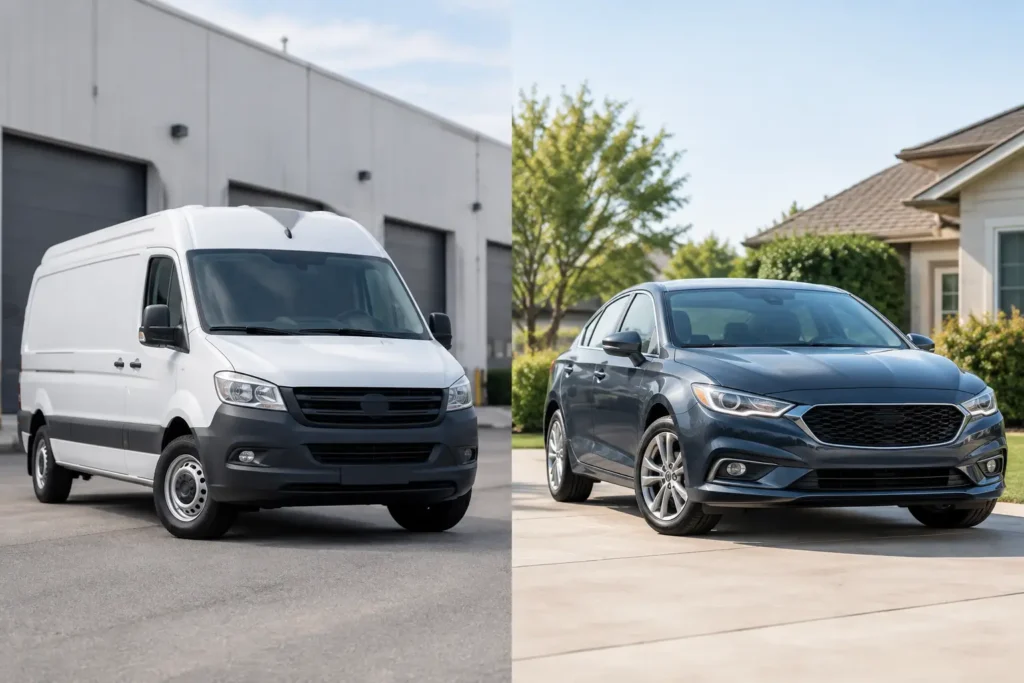
A pickup used to haul tools to job sites can look exactly like the pickup used for weekend projects. But from an insurance standpoint, its use can change the conversation entirely. The difference between commercial auto versus personal auto is not simply whose name is on the title. It is about how the vehicle supports work, who drives it, what it carries, and the financial risk connected to an accident.
For business owners, employees, and self-employed drivers in Utah, Arizona, and Idaho, choosing the right policy is about avoiding an unpleasant surprise after a loss. A personal auto policy may be appropriate for ordinary household driving, while commercial auto insurance is designed for vehicles and driving activities tied to business operations. The right answer depends on the facts, the carrier, and the policy language.
What Personal Auto Insurance Is Built For
Personal auto insurance is generally designed for private vehicle use. That includes commuting to a regular workplace, running errands, taking family trips, and lending a vehicle to an occasional permitted driver. It can protect a car, truck, SUV, or van owned by an individual or household, subject to the policy’s terms, deductibles, limits, and exclusions.
A common misconception is that any drive connected to work automatically requires commercial coverage. That is not always the case. Driving yourself from home to a traditional job is often treated differently than using your own vehicle to make deliveries, transport customers, carry equipment, or visit multiple job sites throughout the day.
The issue is that personal policies are priced and written around personal-use risk. When a vehicle becomes part of a business operation, the frequency of driving, type of travel, passengers, cargo, and potential liability can change significantly.
What Commercial Auto Insurance Is Built For
Commercial auto insurance is intended for vehicles used in connection with a business. A business may own the vehicle, or the vehicle may be personally owned and regularly used for business purposes. Commercial policies can be structured around a range of vehicles, from a contractor’s work truck to a small fleet of service vans.
Coverage commonly includes liability for bodily injury and property damage, along with options for physical damage to covered vehicles. Depending on the policy, a business may also consider uninsured or underinsured motorist coverage, medical payments or personal injury protection where applicable, hired and non-owned auto coverage, and coverage for equipment or specialized vehicle needs.
Commercial coverage often allows for a different driver structure than a personal policy. A business may need to insure employees who drive company vehicles, multiple owners, or regularly authorized drivers. It can also be better suited to higher liability limits when an accident could affect business assets, contracts, or operations.
That does not mean every small business needs the same policy. A sole proprietor who occasionally visits clients may have different needs than a plumbing company with several technicians driving branded vans every day.
Commercial Auto Versus Personal Auto: The Main Differences
The biggest distinction is vehicle use, but several related details matter when comparing commercial auto versus personal auto coverage.
Who owns and drives the vehicle
Personal policies usually center on household members and their vehicles. Commercial policies can accommodate vehicles titled to a business and may be designed to address employees or other approved business drivers. If employees drive a vehicle for work, the business should not assume a personal policy provides the intended protection.
How the vehicle is used
A vehicle used to travel to one office each day presents a different exposure from a vehicle used to transport tools, visit customers, deliver products, carry passengers for a fee, or tow business equipment. Regular business mileage and travel across a service territory can also matter.
Liability limits and business assets
A serious accident can create costs beyond damage to the vehicle. If a company is named in a lawsuit after a work-related crash, the business and its assets may be part of the claim. Commercial auto coverage may offer limits and options that better align with that exposure. Coverage limits should be selected thoughtfully, often alongside a business owners policy, general liability coverage, or a commercial umbrella policy when appropriate.
Vehicle types and modifications
Work vans, box trucks, vehicles with permanent racks, service bodies, utility beds, specialized equipment, or larger towing needs may fall outside what a personal policy is intended to cover. The vehicle’s weight, configuration, usage, and value can all affect available options.
When a Personal Policy May Not Be Enough
Business use is not an all-or-nothing label. Some activities receive limited consideration under certain personal policies, while others may require commercial coverage or a specific endorsement. That is why it is worth asking before a claim, not after one.
Commercial auto insurance deserves a closer look if a vehicle is regularly used to:
- Make deliveries, transport goods, or carry materials for customers
- Travel between multiple client locations, job sites, or service calls
- Carry tools, ladders, machinery, or business equipment as part of daily operations
- Transport employees, customers, or passengers in connection with work
- Tow trailers or equipment for business purposes
Rideshare and delivery-platform driving deserve special attention. Some platforms may provide limited coverage during certain parts of a trip, and some personal carriers offer endorsements for certain activity. Those details vary. Do not assume the platform’s coverage, a personal policy, and a commercial policy all respond in the same way.
The same caution applies to occasional favors. For example, a landscaper who uses a personal truck once to haul a mower may not have the same exposure as someone operating a landscaping business from that truck five days a week. Frequency matters, but so do the type of work and the carrier’s underwriting guidelines.
The Business-Owned Vehicle Question
If an LLC, corporation, or other business entity owns the vehicle, commercial auto is often the natural place to start. A business-owned vehicle creates a clear connection between the auto and the operation. It may also be important for contracts, leases, lender requirements, or vendor expectations.
Personal ownership does not automatically settle the issue, though. Many owners title a vehicle personally while using it heavily for work. Others have a vehicle owned by the business but used by family members after hours. Both situations need to be disclosed so the policy can be structured accurately.
Accurate information matters more than trying to fit a vehicle into the lowest-priced category. Saving money on a premium does not help if the policy does not reflect how the vehicle is actually used.
Do Not Forget Hired and Non-Owned Autos
A business may have an auto exposure even if it does not own a single vehicle. Hired and non-owned auto liability coverage can be relevant when employees use personal vehicles for work errands, rent vehicles for business travel, or when the business hires vehicles it does not own.
For example, an employee who drops off supplies, picks up a client, or drives to a job site in their own car may create liability exposure for the business if an accident occurs. This is not a substitute for the employee maintaining appropriate personal coverage. It is a separate business insurance question that should be reviewed with the rest of the commercial insurance program.
Questions to Ask Before You Choose
Before selecting or renewing coverage, be ready to explain the vehicle’s real-world use. A useful conversation starts with who owns it, who drives it, how often it is used for work, what it carries, and whether it crosses state lines or visits multiple job sites.
Also consider what would happen after a serious accident. Would lost use of the vehicle stop operations? Could the business absorb a large liability claim? Are there contracts requiring specific limits? These questions help move the decision beyond a simple personal-versus-commercial label.
Platinum Insurance Group is an independent agency that can compare commercial and personal auto options from multiple carriers. We offer an annual policy review and re-quote at renewal if you would like to revisit your coverage, and we can help you through the claims process and follow up with the carrier when an accident disrupts your business or household.
A vehicle can be personal property, a business tool, or both. The most helpful next step is to describe how it is actually used and review the policy before that distinction matters on the side of the road. Coverage availability and claim outcomes depend on the specific policy, carrier, facts of the loss, and applicable terms.